If you’ve started looking into custom keyboards, the prices probably confused you. There are boards labelled “custom” at $80 and builds that cost $900, with no obvious explanation for the gap.
Here’s a breakdown of what you’re paying for, what the realistic price ranges look like, and what else it costs beyond the parts.
Where the money goes
A custom keyboard is assembled from separate components, and they don’t cost anything like the same amount.
The case is usually the single largest cost, often close to half the total. It also has a big effect on how the board sounds. Aluminium and other dense materials give a deeper, fuller sound. Plastic cases tend to sound hollower, though the internal design matters too.
Switches are the second thing you’ll notice, and there are hundreds of options. The price difference between budget and premium switches is smaller than most people expect, but the difference in feel is not. Pre-lubed switches cost more and save several hours of work.
Keycaps account for most of the visual difference between an expensive-looking board and a cheap one. Thin, cheaper caps go shiny within a few months and have a negative impact on the sound and feel of the board compared to thicker, more expensive ones.
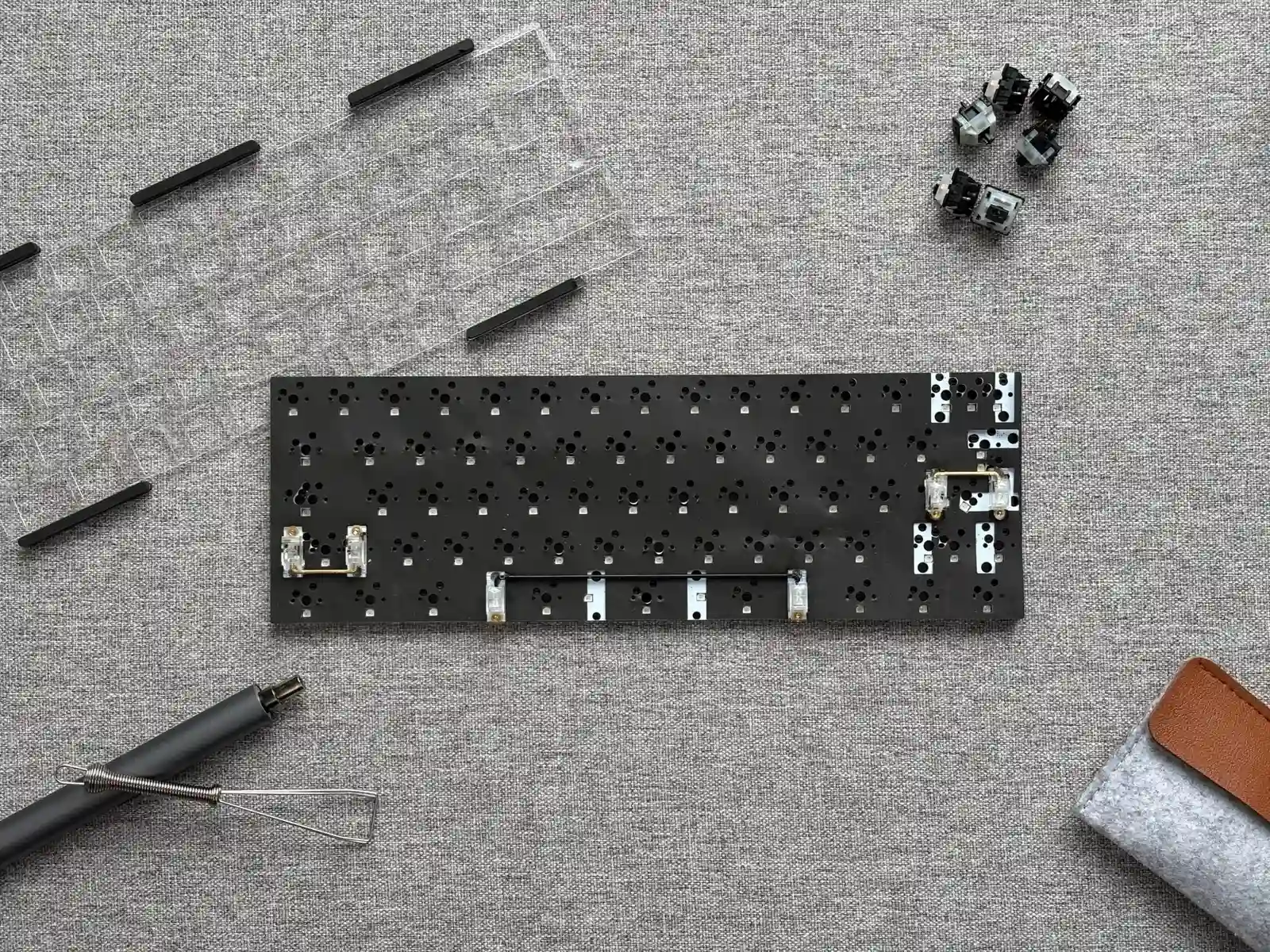
The rest (PCB, plate, stabilisers, foam) are individually cheaper but not unimportant. Stabilisers in particular are the most common reason a build sounds rattly, and they’re one of the cheapest parts on the list.
What that adds up to
Roughly, for a complete set of parts:
- €150 to €250: entry level. Plastic or budget aluminium case, decent switches, basic keycaps. Already a clear step up from most off-the-shelf keyboards.
- €250 to €450: where most people end up. Aluminium case, better switches, good keycaps. Diminishing returns start somewhere in here.
- €500 and up: mostly group buy cases, limited runs, and artisan keycaps. You’re paying for scarcity and finish as much as performance.
Above roughly €400, the difference is less about how the board works and more about materials, exclusivity, and appearance. That’s a legitimate thing to want, but it’s worth knowing what you’re paying for.
The costs that aren’t in the parts list
If you’re building it yourself, the parts total is an incomplete number.
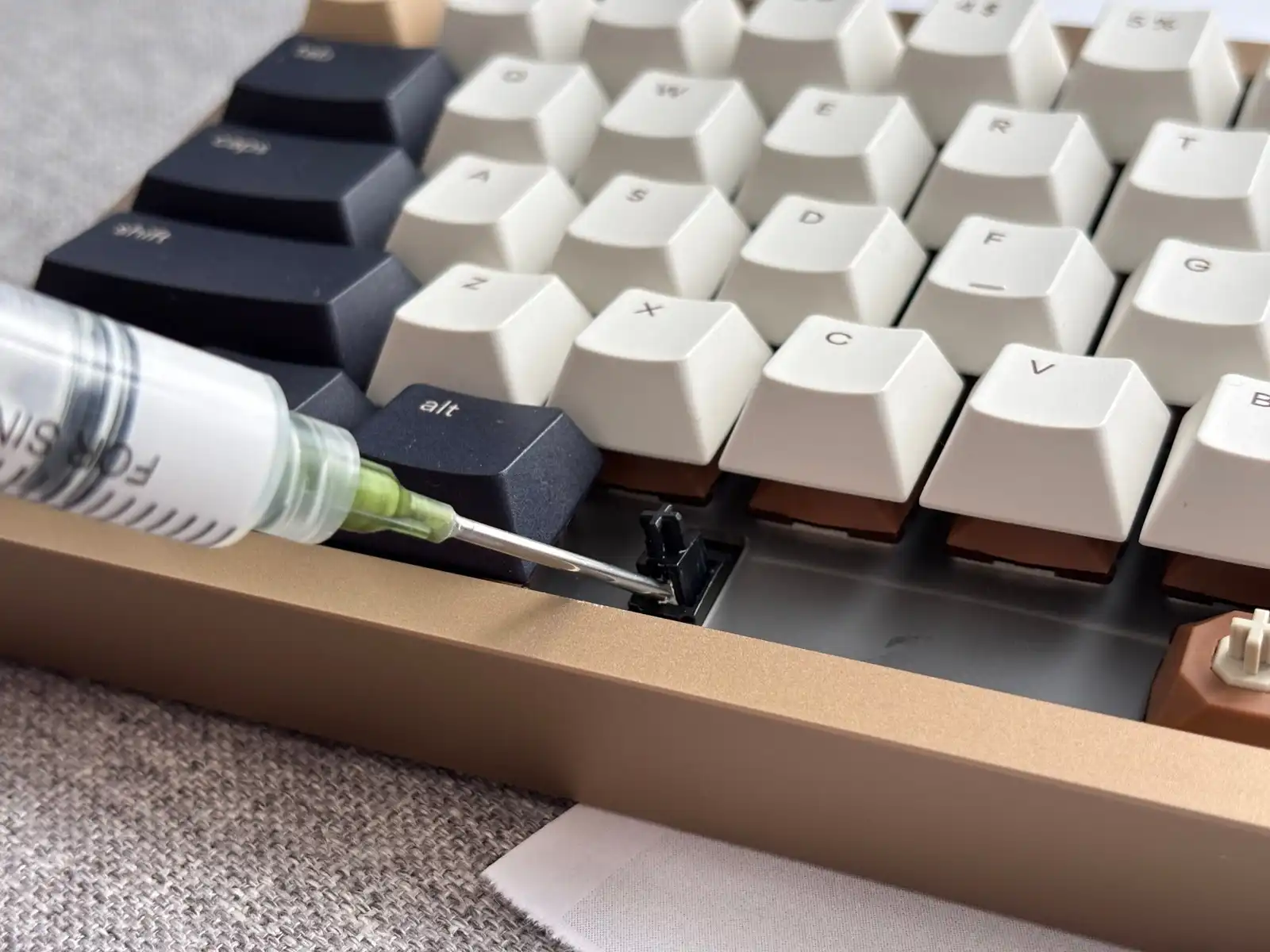
Tools. Switch puller, keycap puller, tweezers, screwdriver, and more if you plan to lube switches. Around €20 to €50 if you own none of it.
Time. A first build usually takes three to six hours if nothing goes wrong. Lubing switches by hand adds two to four hours. Before any of that, choosing compatible parts takes most people several evenings of research.
Mistakes. The cost people underestimate most. Ordering switches that turn out to feel wrong, a plate that doesn’t match the case, a keycap set missing the keys your layout needs. Each one means another order and another one to three weeks of waiting.
Sound tuning. Getting a board to work and getting it to sound good are separate jobs. Stabiliser tuning, foam placement, and mounting all affect it. Most first builds work fine and sound mediocre.
None of this makes building a bad idea. But “the parts cost €300” and “getting a finished keyboard I’m happy with costs €300” are different statements.
Building it yourself versus having it built
Both are reasonable, depending on what you want out of it.
Building yourself makes sense if the process interests you, you don’t mind spending several evenings on it, and you’re fine with a first attempt that may need adjusting.
Having it built by a company like BoardBay makes sense if you want a finished keyboard without learning the hobby first. You’re paying for assembly, tuning, part selection, and someone with experience guiding you through the whole process. Build services generally add somewhere between €80 and €200 on top of parts, depending on the work involved.
Worth stating plainly: if you don’t enjoy building, doing it yourself doesn’t necessarily save money. Between tools, a likely reorder, and the hours involved, the gap narrows. Good trade if the process appeals to you, poor one if it doesn’t.
What to actually budget
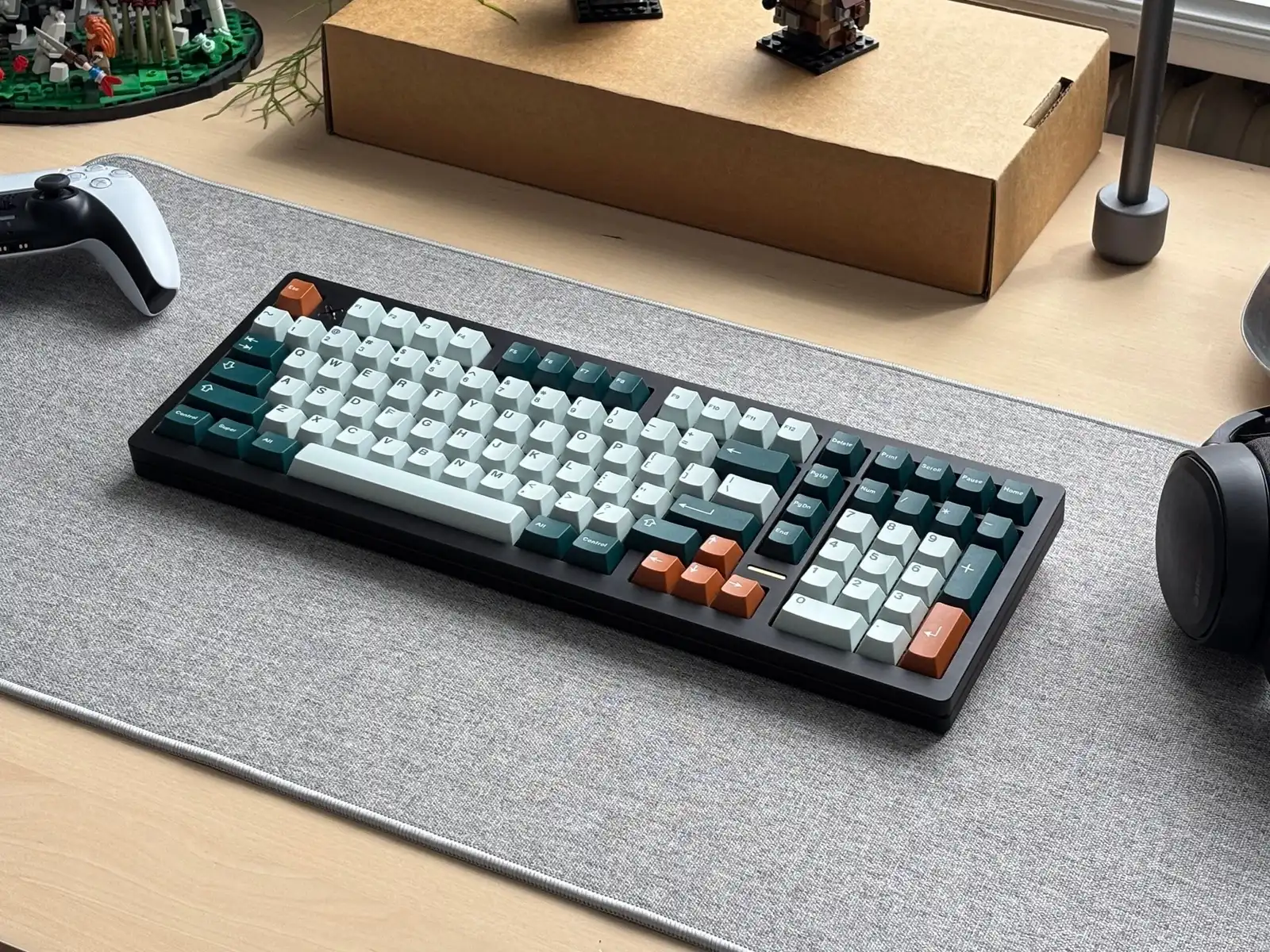
For a custom keyboard that’s a real improvement over a standard mechanical board, plan for €250 to €400 in parts. That gets you good sound, good keycaps, and switches suited to how you type.
Add €20 to €50 if you’re building it yourself and don’t have tools. Add a build service fee if you’re not.
Below about €150, you’re mostly buying a prebuilt with a custom label. Above €500 you’re paying increasingly for a more unique appearance and exclusivity. Neither is wrong, but it helps to know which one you’re doing.
Curious what the board of your dreams would look like? Tell us what you’re after and we’ll help you find your type.